
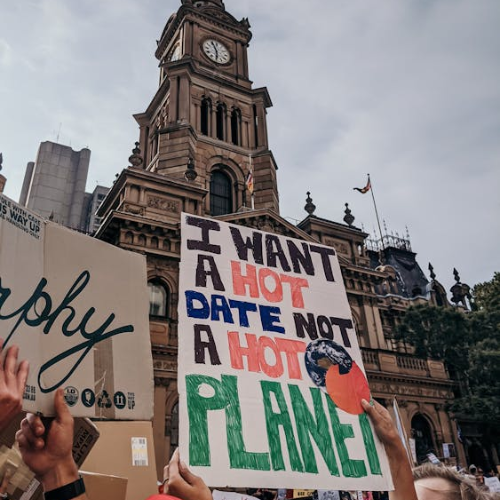
Climate change is no longer a distant threat; it is a reality that is transforming industries across the globe, and the fashion industry is no exception. In the past thirteen months, the world has experienced record-breaking heat with devastating consequences. This summer alone, parts of South and Southeast Asia faced unbearable temperatures, even reaching 50°C. These regions, central to global garment manufacturing, are being hit the hardest by the extreme heatwaves, and the fashion industry is woefully unprepared for the impact.
As Sarah Kent highlighted in the Business of Fashion podcast, “What Happens When It’s Too Hot to Make Fashion?”, many factories are outdated and ill-equipped to handle such intense heat. The machinery, built for moderate conditions, often malfunctions or becomes inefficient under extreme temperatures. Worse still, workers in these facilities frequently lack access to essentials like air conditioning, drinking water, and proper breaks—turning already difficult working conditions into dangerous ones.

But the crisis goes far beyond factory floors. From production practices to the materials used and shifts in consumer behaviour, climate change is forcing the fashion industry into a profound transformation.
Raw Material Supply
One of the first areas where climate change hits the fashion industry is in the sourcing of raw materials. The production of natural fibres like cotton and silk heavily relies on stable climate conditions. Cotton, for instance, is a water-intensive crop, and rising global temperatures combined with erratic rainfall patterns have led to reduced yields and increased costs for cotton farmers. Drought in key cotton-growing regions like Pakistan, the US, and China are causing supply shortages. Small-scale cotton farmers, unable to adapt to these changing conditions, are being pushed deeper into poverty, while larger, wealthier farms that can afford climate-resilient measures are driving up prices for manufacturers. The same pattern is affecting other crops crucial to fashion.
Other materials like synthetic fibres are not tied to agriculture and, therefore, do not have the same problem. However, they present their own set of issues. Made from petroleum, a non-renewable resource, the extraction and processing of oil contribute significantly to carbon emissions, further accelerating climate change. As the industry grapples with finding alternatives, relying on synthetics only worsens the problem, offering no sustainable solution.
Supply Chain Disruptions
The fashion industry operates through a large, fragmented supply chain, with various stages of production spread across different countries. This structure is particularly vulnerable to the growing impact of climate change, causing more frequent and severe weather events such as floods, droughts, and storms. These extreme conditions can damage crops, disrupt transportation, and even destroy production facilities. The unpredictability of such events and the fact that many factories and infrastructure aren’t built to withstand them makes it increasingly difficult for brands to meet demand and maintain consistent production schedules—leading to costly delays and interruptions.
Changing Consumer Behaviour and Expectations
As the awareness of climate change grows, shoppers are increasingly looking for sustainable and ethically produced fashion. Fast fashion, which once dominated the industry with its low-cost, high-volume production model, is now scrutinised for its environmental and social costs. The vast carbon footprint of manufacturing, the pollution caused by garment waste, and the exploitation of workers in low-income countries are all reasons consumers are turning away from unsustainable brands.
This shift in consumer behaviour forces companies to rethink their business models. Brands are under pressure to embrace circular fashion—recycling, upcycling, and designing clothes with longevity in mind. However, transitioning to sustainable practices is neither simple nor cheap, and companies that fail to do so risk losing their customer base.

An Expensive Transformation to a Future-Proof Fashion Industry
Transitioning to a more sustainable and climate-resilient fashion industry comes with a hefty price tag. While the shift is necessary to protect both the planet and the future of fashion, the cost of implementing the required changes is significant—and it’s a challenge that many brands, particularly smaller ones, are grappling with.
Upgrading Supply Chains
The traditional fashion supply chain is built for efficiency and low cost, often at the expense of environmental and social responsibility. Many brands are rethinking how they source, produce, and distribute their products to adapt to climate change. Moving toward greener energy sources, investing in renewable energy-powered factories, and implementing energy-efficient technologies all require substantial capital investment. While these improvements reduce long-term environmental impact, the initial setup costs are significant.
Moreover, creating transparency in supply chains—such as ensuring fair labour practices, reducing carbon emissions, and tracking materials from source to sale—demands new infrastructure, monitoring systems, and certifications. These initiatives require both time and money, making it difficult for brands to remain profitable in the short term.
Sustainable Materials and Innovation
One of the most significant costs comes from the shift toward sustainable materials. Organic cotton, recycled fabrics, and biodegradable fibres are better for the environment than conventional options but are also more expensive to produce. For example, organic cotton requires specific farming practices that limit pesticide and chemical use, leading to lower crop yields and higher production costs. Recycled polyester and other reclaimed materials must go through complex processes to become usable, adding to the expense.
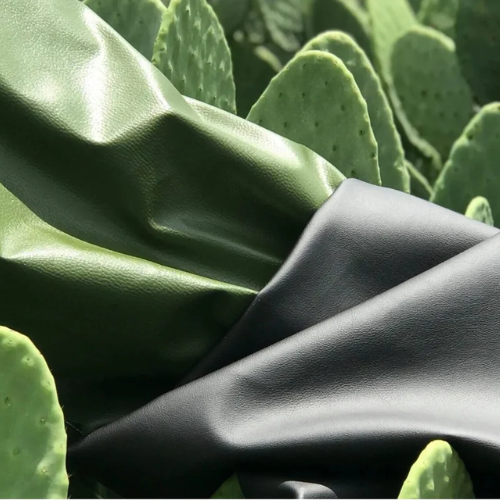
Additionally, research and development into new materials—such as biodegradable textiles or innovations like mycelium leather—require large upfront investments. Moreover, these materials are often produced by smaller, niche suppliers rather than mass producers. Smaller suppliers typically have higher operational costs due to limited economies of scale, and these costs get factored into the final price of the raw materials. For brands that rely on high volumes of affordable textiles, this shift can strain profit margins, especially when they are competing with large fast fashion brands that can produce their items (unethically and unsustainably) for a fraction of the price.
Labour Costs and Ethical Practises
Adopting more ethical labour practices, including providing fair wages and improving working conditions, also adds to the overall cost of transformation. As brands aim to create a more sustainable and humane production environment, they must bear the expense of higher labour costs, along with ensuring workers have access to safe, climate-proof facilities and health protections against extreme weather.
Meeting Regulatory Standards
As governments and international bodies tighten regulations around sustainability, the fashion industry faces increasing compliance costs. Carbon taxes, water usage regulations, and waste disposal restrictions are already being implemented in many countries. Brands that fail to comply with these regulations face hefty fines and reputational damage, while those that aim to stay ahead of the curve must invest heavily in compliance measures.
For instance, fashion companies must now account for their carbon footprint throughout the entire supply chain, from raw material sourcing to garment disposal. Calculating and reducing this footprint involves implementing costly tracking systems, conducting regular environmental audits, and hiring sustainability experts. These regulatory requirements add a financial burden, particularly for small and mid-sized companies that lack the resources of larger fashion companies.
But we’re not there yet…
The fashion industry is at a critical crossroads, with both brands and consumers aware of the need for change, yet meaningful progress still needs to be made. While the knowledge of fast fashion’s harmful effects has increased, the market continues to thrive, with brands like Shein leading due to their affordability, wide selection, and ability to respond quickly to trends. At the same time, several major fashion brands are retreating from their sustainability goals, even scaling back on their 2030 carbon reduction targets.
The high costs of transitioning to a sustainable model are overwhelming for everyone. Sustainable fashion is often priced out of reach for many consumers, making fast fashion an appealing, budget-friendly option with limited variety. For brands, the investments needed to overhaul supply chains, production processes, and infrastructure are immense, with many viewing the changes as too complex and expensive to implement quickly.
Climate change is creating undeniable challenges for the fashion industry, from material shortages to production disruptions and rising costs. Addressing these issues requires more than surface-level solutions; it calls for profound, structural changes toward sustainability, transparency, and ethical production. Consumers also have a role to play by supporting brands prioritising sustainability and making mindful purchasing choices.
For fashion to survive in an era of climate instability, it must undergo a transformation that values both people and the planet. Through innovation, collaboration, and a genuine commitment to sustainability, the industry can still thrive in a world where environmental security is no longer a given.
Sources
- BOF Podcast on Spotify “What Happens When It’s too Hot to Make Fashion?”
- BOF – What Happens When It’s Too Hot to Make Fashion?
- Copernicus – July was second warmest on record, ending record-breaking 13-month streak
- BOF – Why Hotter Weather Matters for Fashion
- Copernicus – The impact of climate change on the cotton industry
- Solidaridad Network – Climate change traps cotton farmers in a cycle of poverty
- BOF – The Year Ahead: Why Fashion Can No Longer Ignore the Climate Crisis
- BOF – Beware Fashion’s Sustainability Retreat
All pictures link to their source, and all credits go to the rightful owners.
You can find the header picture here.
Image Credit: Tiff Ng on Pexel