
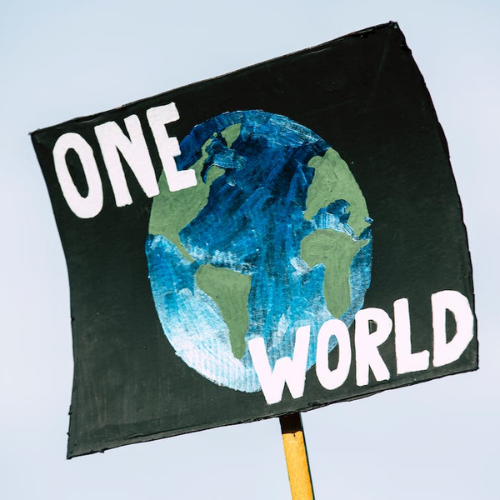
In a previous post, “Too Hot to Handle: Climate Change’s Impact on the Fashion Industry,“ I explored how climate change is already disrupting the fashion industry, particularly within its supply chains. I also touched on a troubling development: an increasing number of fashion brands are backtracking on their sustainability promises. With the effects of climate change no longer a distant threat but a present reality, this shift is especially alarming.
Over the past year, more than 40 companies, including major fashion brands and Fortune 500 giants, have scaled back their climate commitments. Nike, for instance, has laid off dozens of sustainability managers, Crocs and ASOS have reset their climate goals, and Gucci quietly removed its claim of being “entirely carbon-neutral”.
Why the Retreat?
So, what’s behind this shift? Why are so many major fashion brands abandoning their sustainability efforts and delaying their targets?
Overambitious Targets Meet Harsh Realities
One of the key reasons fashion brands are pulling back on their sustainability efforts is the growing realisation that many of the goals set were unrealistic. As companies raced to promote their environmental initiatives, many committed to aggressive targets without fully understanding what it would take to meet them. As the 2025 and 2030 deadlines loom, it’s becoming increasingly clear that progress is far from expectations.
The gap between ambition and reality has forced many companies to reset their goals. As a result, fashion brands are adjusting their sustainability targets or scaling back on their commitments altogether. This re-baselining reflects a necessary course correction, acknowledging that initial promises were more about marketing than meaningful change.
Greenwashing and Regulatory Pressure
In addition, regulators have stepped in to crack down on greenwashing — the practice of making exaggerated or misleading sustainability claims. Faced with the threat of lawsuits and increased scrutiny, many fashion companies have found it safer to moderate their commitments rather than face the risk of legal and reputational damage.
The costs of moderating sustainability targets are far less severe than being held accountable for unattainable promises. In this context, pulling back from certain environmental goals becomes a pragmatic choice for brands that want to avoid legal challenges while still signalling some level of responsibility.

Economic Pressure
The economic climate post-pandemic has added another layer of complexity to the sustainability retreat. Consumer spending has slowed, impacting businesses from luxury to mass market. As brands navigate this challenging financial landscape, sustainability investments — which often require significant upfront costs and long-term payoffs — are becoming harder to justify. In response, companies are cutting costs, restructuring, and deprioritising green initiatives.
Moreover, sustainability efforts can be difficult to justify because their benefits are often intangible and take years to materialise. In harsh economic conditions, the pressure to reduce costs has led to sustainability being viewed as a “nice to have” rather than a core priority.
The “Free Rider” Problem in Fashion’s Supply Chain
Another factor contributing to the pullback is the complex, shared nature of fashion industries’ supply chain. Most of the industry’s environmental impact happens in mills and factories, where brands outsource production and often share suppliers with competitors. This creates what economists call a “free rider” problem — if one company invests in decarbonising a supplier’s operations, other brands use the same supplier benefit without sharing the cost.
Why should a brand invest in making a supplier greener if competitors can reap the rewards without contributing? This dynamic discourages individual brands from taking the lead on sustainability initiatives, further slowing progress across the industry.
The Cooling of ESG Enthusiasm
Finally, a broader decline in enthusiasm for ESG investing contributes to the retreat. The notion that companies with vital ESG track records will deliver superior financial returns has been heavily promoted recently. Still, it has not always lived up to its promises. As doubts grow about the financial returns of ESG-focused companies, investors have become more cautious, and brands have scaled back their sustainability initiatives in response.
Without the financial incentives once associated with ESG investing, it becomes even harder for companies to justify sustainability efforts, especially when the payoff is uncertain or long-term.
The Consequences of Inaction
The retreat from sustainability commitments comes at a dangerous time. Climate change is no longer a future threat; it is already disrupting the fashion industry in significant ways. Extreme weather events, such as floods, droughts, and record-breaking heat, alter supply chains, compromise crops, and impact worker health and productivity. These challenges are projected to slash export earnings from key manufacturing hubs by billions of dollars by 2030.
The fashion industry’s pullback is especially troubling because the need for sustainability has never been more urgent. Yet, faced with economic pressures and competitive dynamics, brands are retreating at the very moment when more action is needed.
Conclusion
A complex mix of overambitious goals, economic pressures, and competitive dynamics drives the fashion industry’s retreat from sustainability. Yet, the consequences of this pullback are severe, especially as climate change continues to disrupt global supply chains and create economic and social instability.
To reverse this trend, fashion brands need to advocate for stronger regulations that enforce collective action. Only through mandatory, industry-wide reforms can the fashion sector achieve meaningful sustainability and address the growing threats of climate change. The time for bold action is now — before it’s too late.
Sources
All pictures link to their source, and all credits go to the rightful owners.
You can find the header picture on Canva.