

This month, I had the pleasure of co-hosting a workshop with two fellow Climate Pact Ambassadors*, sparking some truly inspiring conversations about fashion, sustainability, and the power of small changes. At the heart of it was a presentation titled “From Fast to Forever: Transforming Your Fashion Habits”—a call to action for anyone who’s ever stood in front of an overflowing closet and thought, “I have nothing to wear.”
In a world where trends change by the scroll and clothes are cheaper than lunch, it’s easy to fall into the trap of fast fashion. But with every garment we toss or impulse buy, we cast a vote—for the kind of future we want to wear. During the session, we explored four simple yet powerful shifts—Reduce, Reuse, Repair, and Recycle—that can help turn our fashion choices from fleeting to forever.
Whether you’re a conscious consumer, a curious newcomer, or just someone tired of the clutter, this blog post recaps the key takeaways from the workshop and offers practical steps to transform how you engage with fashion—starting today.
Reduce: Less is More
Let’s be honest—reducing fashion consumption in today’s world isn’t easy. We’re constantly surrounded by influencers showing off massive hauls, “run, don’t walk” TikToks promoting the latest drops, and fashion trends that seem to change weekly. The pressure to keep up can be overwhelming. But amidst all the noise, there’s an opportunity: what if instead of endlessly chasing trends, we focused on building a wardrobe that truly works for us—timeless, intentional, and sustainable?
According to the findings of the Hot and Cool Institute, if we want our fashion habits to align with the global 1.5-degree climate target—and we’re not doing anything else like mending, buying secondhand, or washing less—then we should limit ourselves to just five new clothing items per year. Yes, five. It may sound extreme at first, but this guideline isn’t about deprivation—it’s about awareness. It pushes us to think more carefully about what we buy, prioritise quality over quantity, and shift from impulse to intention.
Of course, being more intentional takes practice. That’s where mindful consumption comes in. Fast fashion thrives on impulse buys, and we’ve all been there: lured by a flash sale or a perfectly styled post. But slowing down the decision-making process can make all the difference. Before buying something new, try sleeping on it for 24 hours. Ask yourself: Will I really wear this at least 30 times? Do I already own something similar? These small pauses help break the habit of mindless purchasing and make room for more meaningful choices.
Another powerful way to reduce is by creating a capsule wardrobe. This means curating a smaller collection of clothes—typically between 30 to 50 pieces, including tops, bottoms, outerwear, and shoes—that you love to wear and can mix and match easily. Capsule wardrobes aren’t about boring basics or sacrificing personal style. They’re about simplifying your closet while amplifying your style. Think of icons like Steve Jobs, whose black turtleneck became a symbol of intentional dressing. But your capsule can absolutely include colour, prints, and flair—it should reflect you. One helpful tip is to discover your colour season (based on your hair, eyes, and skin tone), which can guide you in choosing colours that make you feel confident and vibrant.

Ultimately, reducing your fashion footprint doesn’t mean giving up fashion—it means redefining it. It’s about wearing what you love, what lasts, and what aligns with your values. And the beauty of this approach? Less truly becomes more—more clarity, more confidence, and more room for the things that really matter.
Reuse: Give Clothes a Second Life
If reducing is about buying less, reusing is about getting creative with what already exists. In a world where clothes are often worn just a handful of times before being tossed aside, choosing to reuse is a powerful (and stylish) way to extend the life of fashion—and reduce the demand for constant new production.
One of the most fun and social ways to embrace reuse is through clothing swaps. These events are a fantastic way to refresh your wardrobe without spending a cent. You bring clothes you no longer wear, and in return, you get to “shop” other people’s preloved items. It’s sustainable, community-focused, and a great way to give new life to clothes that might otherwise sit untouched. Swaps challenge us to rethink value—not every item has to be brand new to feel new.
Beyond swaps, secondhand shopping is another brilliant way to build a more sustainable wardrobe. Thrift stores, vintage boutiques, charity shops, and flea markets are full of hidden gems—many of them unique, high-quality pieces you won’t find in fast fashion chains. The thrill of the hunt, the affordability, and the individuality of secondhand fashion make it an exciting alternative to mainstream shopping. Plus, it’s a small act of rebellion against the wasteful, throwaway culture of fast fashion.
And thanks to technology, secondhand fashion is now more accessible than ever. Online platforms have made it easy to buy and sell preloved clothing from the comfort of your home. Some popular platforms include Vinted, Depop, ThredUP, Vestiaire Collective, and The RealReal, each catering to different styles and price points. Whether you’re looking for a designer handbag, a quirky vintage jacket, or just some everyday basics, there’s likely a secondhand platform that fits your needs.


Choosing secondhand doesn’t mean settling—it means stepping off the mass production treadmill and making room for individuality and sustainability. Every time you buy or swap a preloved item, you reduce demand for new production, save resources, and help keep clothes out of landfills. And more often than not, you end up with a wardrobe that’s full of stories and character.
Reusing isn’t just practical—it’s personal, creative, and empowering. It reminds us that fashion doesn’t have to be fleeting. Sometimes, the best pieces are the ones that have already seen a little life.
Repair: Extending the Life of What You Love
So far, we’ve explored how reducing what we buy and reusing through secondhand shopping can help shift our fashion habits. But what about the clothes we already own? What do we do when a favourite shirt gets a tear, a zipper breaks, or a sweater starts to look worn out? In earlier generations, repairing clothes was simply part of everyday life. Our grandparents would patch up socks, sew buttons back on, and mend hems without a second thought. But today, fast fashion has made clothing feel cheap and disposable. Instead of fixing things, we’re encouraged to toss and replace them. That mindset is not only wasteful—it’s harmful. It’s time we reclaim the practice of repair and make it part of our style story.
Repairing clothes is one of the most effective and impactful ways to extend their life and reduce their environmental footprint. Research by WRAP (the Waste & Resources Action Programme) shows that if we can wear an item for just nine months longer, we can reduce its impact by 20-30%. That’s a significant difference for such a small act. Keeping clothing in use longer not only conserves resources and energy, it also helps us slow the cycle of constant consumption.
Thankfully, repairing clothes is more accessible than ever. Some brands are leading the way by offering repair services for their products. Patagonia’s “Worn Wear” program, for example, encourages customers to send in damaged gear to be fixed rather than replaced. Levi’s offers free denim repairs in select stores, and brands like Arket and Nudie Jeans have programs that will fix jeans at no cost. These services show a commitment to durability and design that goes beyond fast fashion. It’s worth checking whether a brand offers repairs before making a purchase—chances are, if they do, they’ve built their products to last.
But even if a brand doesn’t offer repairs, your local community likely does. Tailors, seamstresses, and repair shops are often able to fix zippers, patch holes, replace linings, and even resize garments. It’s usually much cheaper than buying something new and supports local artisans and small businesses. In some cities, you’ll even find repair cafés—friendly spaces where volunteers will help you mend clothes, often for free. These community spaces don’t just restore clothes—they also revive a culture of care and craftsmanship.

And then there’s the DIY route. Not all repairs require a professional. With a needle, thread, and a bit of time, many fixes can be done at home. There are countless tutorials online to guide you through the process of sewing a button, patching up jeans, or using a fabric shaver to freshen up worn sweaters. Dyeing faded clothes can give them a second life with a new burst of colour. What starts as a repair can become a personal style statement—a patch here, a visible stitch there, turning your clothes into something uniquely yours.
Repairing isn’t just practical—it’s creative, resourceful, and deeply satisfying. It helps us form a connection with what we wear, reminding us of the value in things we already own. So the next time something in your wardrobe breaks, pause before tossing it out. Repairing is often cheaper, more sustainable, and more rewarding than replacing. And in the end, those little fixes might just become your favourite part of the garment.
Recycle: A Last Resort, Not a First Step
After reducing what we buy, reusing what already exists, and repairing what we own, there’s still one more step to consider: what do we do with clothes that are truly at the end of their life? Recycling is often thought of as the go-to solution, but when it comes to fashion, the reality is much more complicated.
Despite what many of us believe, the vast majority of clothing is not recyclable. In fact, only about 1% of textiles are actually recycled into new garments. The rest? It’s a grim picture. A truckload of textiles is either burned or sent to landfill every second, and the amount of textile waste piling up around the world has grown so massive that some landfills are even visible from space. These aren’t just throwaway items—they’re resources, energy, water, and human effort, all discarded in moments.
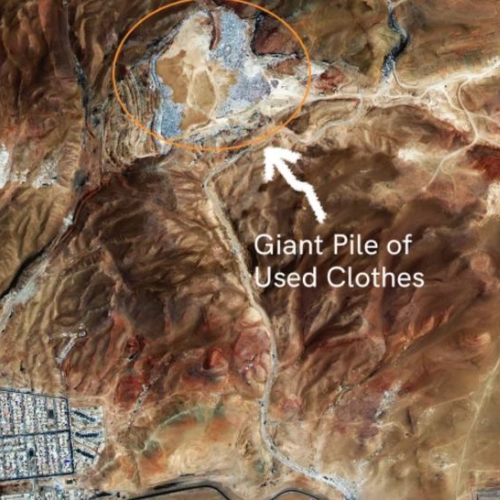
Part of the challenge lies in how clothes are made. Many garments today are blends of different fibres—like polyester and cotton—which makes them incredibly difficult, if not impossible, to recycle. That’s why the first step before recycling should always be to check the label. Natural fibres like 100% cotton, wool, or linen are more likely to have recycling potential than synthetic blends, but even then, options are limited.
Because recycling is a last resort, it’s essential to donate, repurpose, or upcycle whenever possible. If a garment is still wearable, consider giving it a second life by donating it, joining a swap group, or donating it to a local charity. If it’s no longer in good condition, think about how it might be transformed—an old t-shirt can become a cleaning rag, a worn-out sweater might be cut into a cushion cover, and scraps of fabric can be turned into patches or used in craft projects.
When recycling truly is the only option, try to find a textile recycling bin in your area. Many cities now offer textile drop-off points, either through municipal waste programs or large retailers that collect old clothes for recycling or downcycling. While the system still has a long way to go, using these bins ensures that your clothes are at least handled more responsibly than if they ended up in general waste.
Recycling in fashion isn’t a perfect solution, but it’s a piece of the puzzle. The real power lies in treating recycling as a last step, not the first. By making thoughtful decisions throughout a garment’s life—buying less, choosing well, reusing creatively, repairing lovingly—we can delay or even avoid that end point entirely. And when something has really reached the end of the road, we can ensure it goes out with as little impact as possible.
Conclusion
Transforming our fashion habits isn’t about perfection—it’s about progress. By choosing to reduce, reuse, repair, and recycle, we can each play a role in reshaping the fashion industry into something more sustainable, creative, and meaningful.
Change doesn’t happen overnight. But every mindful purchase, every repaired seam, every secondhand treasure is a step away from fast fashion—and a step toward a future where what we wear reflects not just our style, but our values.
So next time you look at your wardrobe, ask yourself not what’s missing, but what’s possible.

Summary
Reduce
- Buy less, choose well: Aim for only five new clothing items per year to meet climate goals.
- Shift from impulse to intention: Pause 24 hours before buying; ask if you’ll wear it 30+ times.
- Build a capsule wardrobe: Focus on 30–50 versatile pieces you love.
- Mindful shopping = More clarity and confidence: Less stuff, more personal style.
Reuse
- Try clothing swaps: Exchange clothes you don’t wear for something new-to-you.
- Embrace secondhand shopping: Thrift, vintage, and online platforms offer unique, affordable options.
- Use online resale apps: Vinted, The RealReal, and others make secondhand easy and accessible.
Repair
- Keep clothes in use longer: Just nine extra months of wear reduces environmental impact by up to 30%.
- Use brand repair programs: Look for services from Patagonia, Levi’s, Nudie Jeans, etc.
- Support local repair shops: Tailors and community repair cafés are great resources.
- DIY fixes: Learn simple repairs like sewing buttons, patching jeans, or dyeing fabric.
- Add personality through mending: Visible fixes can become creative, stylish statements.
Recycle
- Only ~1% of clothes are truly recycled: Most end up in landfills or are incinerated.
- Check fabric labels: Natural fibres are more recyclable than synthetic blends.
- Prioritise donation or upcycling: Repurpose clothes creatively before tossing them.
- Use textile recycling bins: If something must go, find responsible drop-off locations.
- Think of recycling as the endgame: Focus on reducing, reusing, and repairing first.
Sources
Images link back to their sources, with full credit given to the respective owners.
The header image can be found here.
Image Credit: British Vogue on Pinterest
*The European Climate Pact is a movement of people united by the shared mission to build a more sustainable Europe and help the EU to become climate-neutral by 2050.