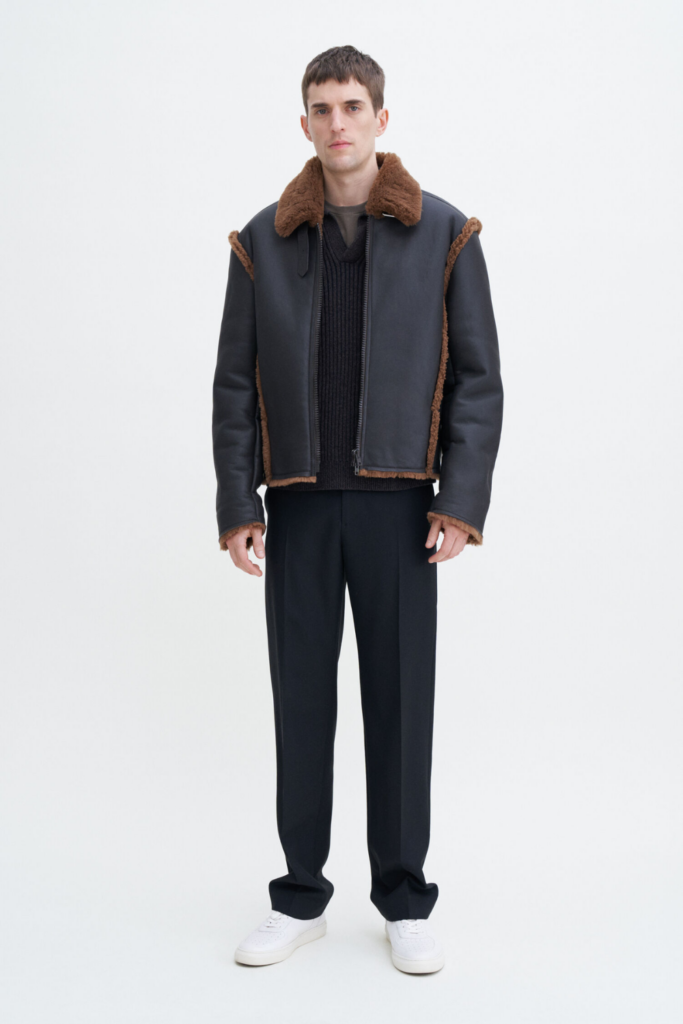
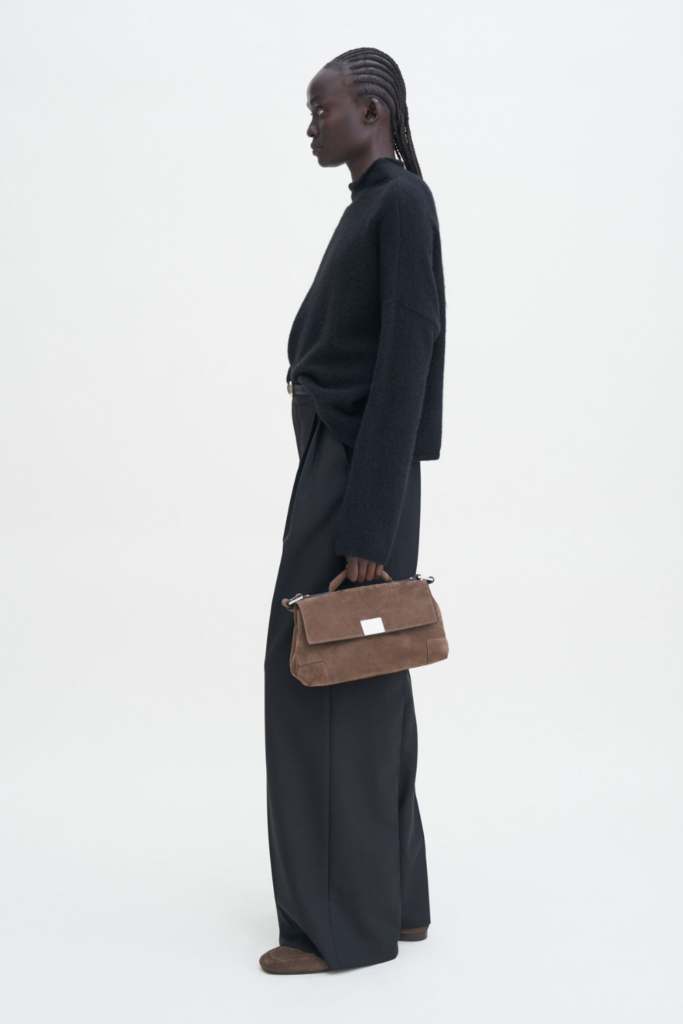
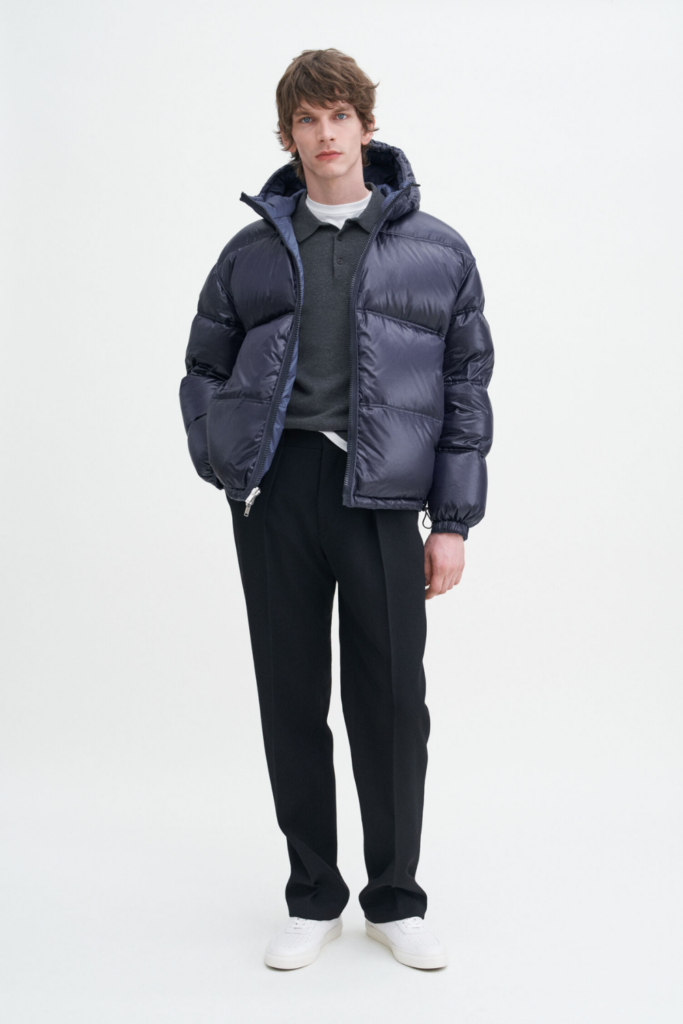
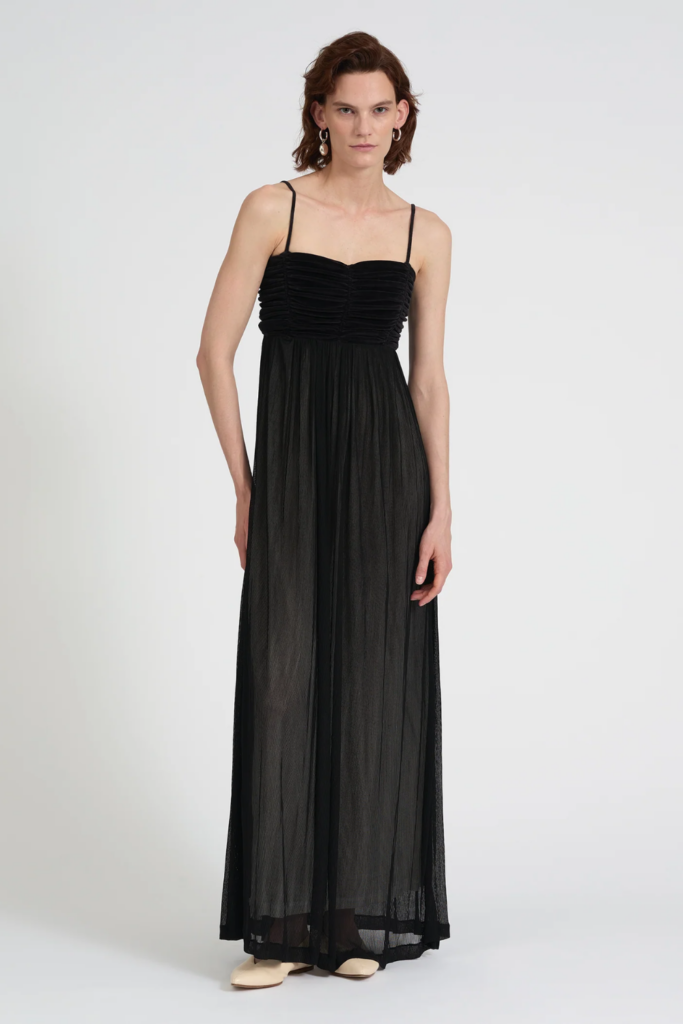
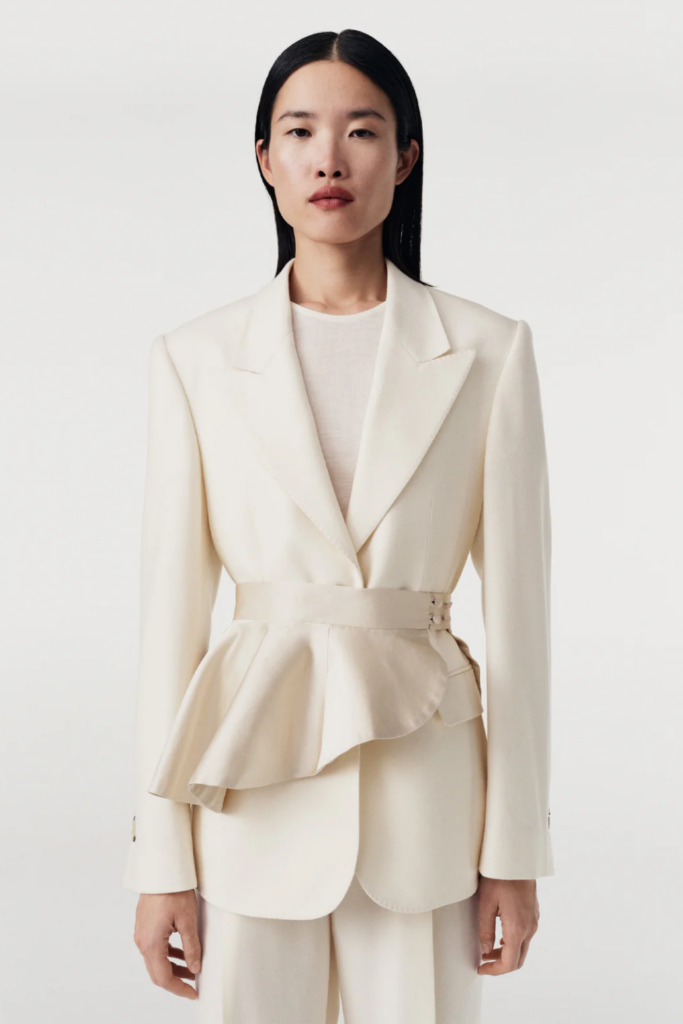
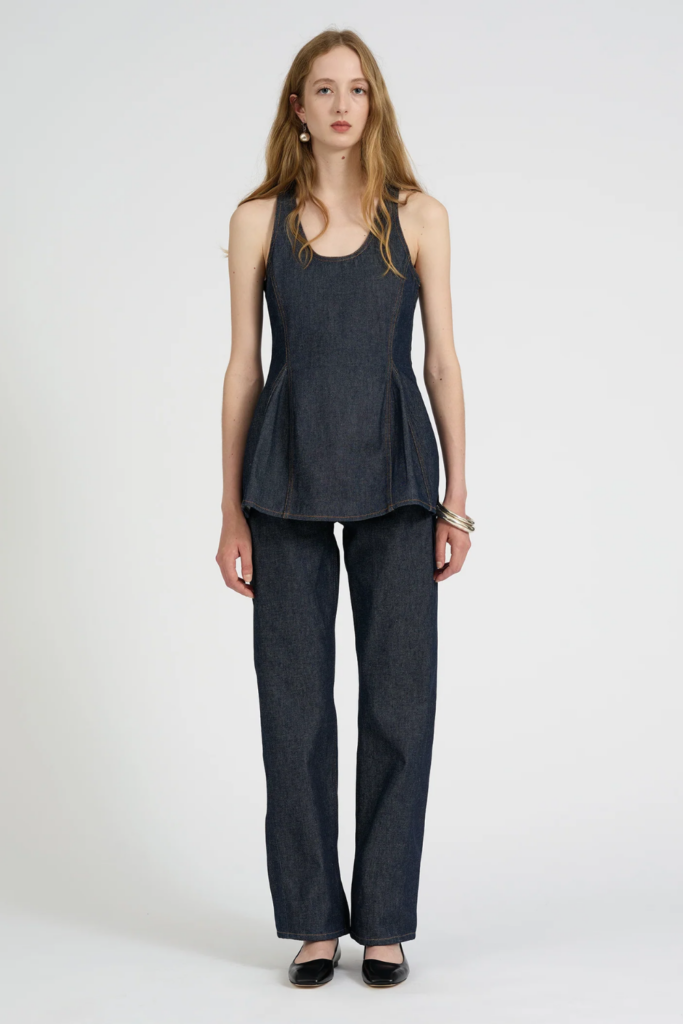
Sweden has long been known for its innovation, minimalism, and commitment to environmental consciousness. In recent years, the country has become a leader in sustainable fashion, with brands that prioritise eco-friendly materials, ethical production practices, and circular fashion models. From timeless Scandinavian designs to bold, modern pieces, Swedish sustainable fashion brands set a global example for a style that’s as good for the planet as it is for your wardrobe. Therefore, In this week’s edition of “Sustainable Fashion Around the World,” we’ll explore seven sustainable brands from Sweden.
Dedicated is committed to leading the charge for a more sustainable fashion industry by designing stylish, eco-conscious collections using natural, organic, and recycled fibres. Dedicated rejects harmful practices in the conventional fashion industry, which often rely on fossil-fuel-based materials and exploitative labour. Instead, they craft their garments from sustainable materials like GOTS-certified organic cotton, recycled polyester, and innovative fabrics like TENCEL™, Lyocell and hemp.
The brand collaborates with global creators to design two collections per year, maintaining a slower fashion cycle while ensuring reasonable production timelines. Dedicated‘s supply chain partners share their values, undergoing rigorous audits to meet the high standards of social and environmental responsibility, certified by organisations like Fairtrade, GOTS, and the Global Recycled Standard.
Image Credit: Dedicated
Interested in Dedicated? Please visit their website or take a look at their Instagram (@dedicatedbrand).
ASKET is founded on the philosophy of “The Pursuit of Less,” challenging the fashion industry’s excesses by focusing on timeless essentials rather than fast fashion. The brand creates a permanent collection of high-quality garments designed to last both in style and durability. Instead of following trends or seasonal collections, ASKET‘s approach prioritises quality over quantity, ensuring that every piece is built to stand the test of time. Each garment is made from carefully selected materials, including organic, traceable, and recycled fibres, and exclusively produced in Europe to uphold strict standards of craftsmanship.
ASKET is deeply committed to transparency, showing the full story behind each garment. From sourcing raw materials to the final product, every step of the process is traceable, with details about the farms, mills, and factories involved. Additionally, the brand offers full cost transparency, breaking down the expenses for each item so customers can understand the true value of their clothing.
At the heart of ASKET’s mission is lifecycle responsibility. The brand’s goal is to create garments that last longer, reducing the need for frequent purchases and contributing to less waste. To extend the life of their clothing, they provide repair kits and offer free repairs. Moreover, ASKET‘s Revival Program encourages customers to return unwanted garments for resale or recycling, ensuring that clothing stays out of landfills.
Interested in Asket? Please visit their website or take a look at their Instagram (@asket).
Swedish Stocking
Sustainability: Recycled Materials | Responsible Production | Waste Reduction | Recycling Program
Price Range: €16 — €160
Size Range: S/M — L/XL
Founded by Linn Frisinger and Nadja Forsberg, Swedish Stockings is a pioneering brand in the hosiery industry with the mission to drive sustainable change and reduce the environmental impact of fashion. Each year, billions of tights are produced, worn briefly, and discarded, making it one of the most wasteful items in women’s wardrobes. Swedish Stockings was created to address this issue by offering an alternative: high-quality tights made from recycled materials that last longer and are produced responsibly.
The brand’s core belief is that sustainability begins with longevity. Swedish Stockings’ tights are crafted from recycled materials and natural fibres sourced from carefully selected Italian suppliers, ensuring both quality and durability. The production process is designed to minimise environmental harm, with factories that use renewable energy and eco-friendly practices. Swedish Stockings is also committed to innovation, continuously seeking new materials and methods to improve their products and further reduce waste.
To extend the life cycle of tights even further, the brand has established a recycling program. Customers can send in their old, worn-out tights, which are then repurposed into designer tables, giving the materials a new life.
Image Credit: Swedish Stocking
Interested in Swedish Stocking? Please visit their website or take a look at their Instagram (@swedishstocking).
Since its founding in 1993, Filippa K has championed mindful consumption, creating timeless wardrobe staples designed to last. The brand encourages consumers to buy fewer but better-quality pieces that can be worn and cherished for years.
A cornerstone of Filippa K‘s approach is transparency. By 2025, the brand aims for 50% of its garments to be traced back to the fibre’s country of origin. They already have 100% traceability in Tier 1 of their supply chain (garment assembly) and 99% in Tier 2 (fabric production). Filippa K also focuses on using sustainable materials. By 2025, they aim to have 80% of their collections made from recycled, regenerative, certified, or innovative materials—an increase from the current 48%. They prioritise natural fibres like wool, alpaca, and cotton alongside the responsible use of synthetics like Lyocell.
Circularity plays a key role in their sustainability strategy. Filippa K designs with the full product lifecycle in mind, encouraging repair, resale, and recycling to extend garment life. In Sweden, the brand offers a resale platform, helping customers embrace a circular fashion approach.
Regarding environmental impact, Filippa K has already reduced its greenhouse gas emissions by 41% between 2022 and 2023, intending to cut emissions by 50% by 2030. The brand is also working to reduce water usage chemical pollution, and promote biodiversity through responsible farming practices.
Filippa K is equally committed to fair labour standards. As a member of the Fair Wear Foundation, it ensures that workers in its supply chain receive fair wages, work in safe conditions, and are treated with respect. The brand also fosters long-term supplier relationships, averaging seven years per partnership, to support ethical labour practices.
Image Credit: Filippa K
Interested in Filippa K? Please visit their website or take a look at their Instagram (@filippa_k).
BITE Studio
Sustainability: Organic Materials | Ethical Production | Recycled Materials | Local Production | Innovation| Regenerative Fibres
Price Range: €100 — €2300
Size Range: XS — XL | 23/ — 34/32 | 4 — 16
BITE Studio, founded by Veronika Kant and William Lundgren, is a Swedish fashion brand dedicated to blending luxury with sustainability. Inspired by the raw beauty of northern Sweden, BITE creates timeless, elegant clothing using eco-friendly materials that transcend trends. Their designs focus on organic fabrics that feel luxurious while being less harmful to the planet.
BITE’s commitment to sustainability is evident in its strict approach to material selection. Their designs revolve around materiality—if a fabric doesn’t meet their high standards for both quality and sustainability, they seek an alternative. This careful selection process ensures that their collections celebrate natural characteristics and beauty. While they avoid synthetic and non-sustainable materials, such as virgin polyester, non-organic cotton, and animal skins, they occasionally use man-made fibres when necessary, opting for recycled materials. Today, over 98% of the fibres used in BITE collections adhere to these rigorous guidelines, reinforcing their commitment to sustainable fashion.
BITE sources its fabrics and produces collections across Europe, primarily in Portugal, Italy, and Sweden. This European-based production model allows the brand to maintain strong, long-term relationships with its manufacturing partners, ensuring ethical practices and exceptional craftsmanship. These relationships are built on collaboration, with BITE working closely with skilled artisans to develop sustainable pieces that defy fleeting trends. This process of discovery, rooted in traditional craft techniques, elevates their designs to a level of sophistication and sustainability that few brands achieve.
BITE has built a Material Library of natural, regenerative fibres like forest-friendly viscose and responsibly sourced wool. They ban harmful materials such as acrylics, virgin polyester, animal skins, and conventional cotton, pushing themselves and suppliers to continuously reduce environmental impact.
Image Credit: BITE Studios
Interested in BITE Studio? Please visit their website or take a look at their Instagram (@bitestudios).
Founded in 2017, Residus is a Swedish clothing brand dedicated to creating ethical and sustainable garments that prioritise longevity and environmental responsibility. Focusing on high-quality materials and minimalist designs, Residus aims to meet women’s everyday needs while promoting a cleaner planet.
The brand believes in transparency; each garment features a QR code that allows customers to trace its entire supply chain, ensuring that every piece is produced ethically. Residus partners with certified factories that adhere to fair labour practices, providing safe working conditions and fair wages for all employees.
Residus emphasises eco-friendly materials, incorporating organic cotton, Tencel, and Ecovero into its collections. The brand also prioritises sustainable packaging, opting for biodegradable and recycled materials to minimise waste.
In its mission to combat industry waste, Residus actively seeks surplus fabrics, transforming leftover textiles into unique designs and limited-edition collections. This approach not only reduces the ecological footprint of each product but also gives new life to high-quality materials that might otherwise go to waste.
The brand’s Code of Conduct reflects its commitment to ethical practices. It prohibits child labour and forced labour, ensuring that all workers are treated with respect and dignity. Residus is dedicated to fostering a fair and equitable working environment, emphasising the importance of living wages and safe working conditions.
Image Credit: Residus
Interested in Residus? Please visit their website or take a look at their Instagram (@residusofficial).
Founded in Gothenburg in 2001, Nudie Jeans goes beyond just selling denim; they create “forever jeans” that are meant to be cherished and worn for life. Their wear-and-tear philosophy encourages customers to embrace jeans that improve with age, fostering a deeper connection with their clothing.
At the heart of Nudie Jeans‘ sustainability efforts is their exclusive use of certified organic cotton, which significantly reduces environmental impact. By avoiding synthetic fertilisers and pesticides, Nudie not only promotes safer farming conditions but also supports biodiversity and local economies, particularly in Türkiye and India.
The brand also incorporates recycled cotton into its products, minimising waste and maximising the lifecycle of denim. This commitment reinforces the idea that jeans should be celebrated and reused, not discarded.
Nudie Jeans champions transparency in its supply chain, providing customers with detailed information on carbon emissions, water usage, and the suppliers involved in production. Their stringent Chemical Policy ensures compliance with European regulations and promotes safe chemical handling across their supply chain.
Since 2013, Nudie Jeans has prioritised fair wages for all workers involved in production. By partnering with the Fair Wear Foundation, they ensure living wages and improve working conditions through regular audits and training programs.
A cornerstone of Nudie’s philosophy is their commitment to repair and reuse. Each pair of jeans comes with a promise of free repairs, allowing customers to extend the life of their garments. Their reuse program encourages customers to trade in old jeans for discounts, fostering a circular economy where denim lives multiple lives.
Image Credit: Nudie Jeans
Interested in Nudie Jeans? Please visit their website or take a look at their Instagram (@nudiejeans).
Sources
All pictures link to their source, and all credits go to the rightful owners.